Using incentives to increase HIV testing: a case study from Wakefield

Wakefield view from The Sandal Castle. The towers of The Wakefield Cathedral and The Town Hall are visible.

An innovative project in Wakefield, West Yorkshire has successfully increased testing rates in certain vulnerable populations by providing a £5 food voucher as an incentive – and key to the work was our partner, BHA for Equality working in collaboration with Turning Point.

In early 2023, public health officials at Wakefield Council identified that a new case of HIV was linked to a cluster of previous cases from 2021 among people who inject drugs (PWID) and those connected to homeless accommodation. It was clear that swift action was needed to prevent further transmissions.

Tackling HIV in vulnerable communities

PWID and individuals linked to homelessness often face multiple barriers to accessing healthcare, from stigma and misinformation to logistical challenges in navigating complex services.

That’s where commissioned services like BHA for Equality’s HIV Prevention and Support Service and Turning Point’s Drug and Alcohol Service come in. Along with Wakefield Council and UK Health Security Agency (UKHSA), they embarked on a multi-agency Incident Management Team (IMT) response to contain the cluster.

Incentivising HIV testing

To reach PWID and individuals in homeless accommodation, BHA Wakefield and Turning Point undertook extensive outreach activities. The primary focus was to raise awareness of HIV risks and offer point-of-care testing (POCT) for both HIV and syphilis, making testing both accessible and quick. What made this scheme stand out was a small but highly targeted intervention – an incentive program in the form of £5 food vouchers for individuals who agreed to take a test.

The rationale? Similar incentives had proven effective in boosting Hepatitis C testing uptake among PWID, and the hope was to replicate that success. These vouchers, redeemable for hot and cold food, were simple, but they addressed a basic need, providing a practical and immediate benefit.

Navigating ethical considerations

Offering an incentive to test can bring up extra ethical questions. The team in Wakefield were following examples from across the country, where incentive vouchers have been introduced for various behaviour changes when uptake is low. The team also kept track of whether any concerns or questions were raised by people not in the target group about why they weren’t receiving a voucher. During the pilot, no concerns of this nature were raised and Wakefield’s public health team continue to monitor the scheme, including outcomes and any challenges.

A dramatic uptake in testing

BHA Wakefield saw a 70% increase in POCT from the previous year, with 166 tests conducted over the 2023-24 period. More than half of these tests (51%) were linked directly to the voucher incentive scheme. There was one reactive HIV test and one reactive syphilis test linked to the scheme – with the person who got the reactive HIV result saying they only took the test because of the voucher.

The scheme didn’t just increase testing rates: it also helped break down common misconceptions around HIV. Comments like, “I thought you could only get it through sex,” and “I thought a test would be ages, but it’s really quick, it’s good to know!” highlight the critical need for ongoing education.

Lessons learned: What makes this scheme a success?

So, what can others in the HIV sector take away from this? Several key factors contributed to the success of Wakefield’s HIV testing incentive scheme:

Targeted approach: By focusing on a specific, high-risk group (PWID and homeless individuals), the scheme was able to channel resources where they were most needed.

Collaboration and partnerships: The collaboration between BHA for Equality, Turning Point, Wakefield Council and UKHSA was crucial. Each organisation brought its own expertise and networks, creating a comprehensive support system, responsive to the needs of the community.

Meaningful incentives: The £5 vouchers addressed an immediate need and resonated with the target population. Sometimes, simple incentives are all that’s needed to bridge the gap between intention and action.

Education and awareness: Outreach activities didn’t just focus on testing but also on education. Misconceptions about HIV transmission were prevalent, and this effort helped correct those while promoting testing as quick and accessible.

Building on success

Thanks to its success, the HIV testing incentive scheme in Wakefield secured additional funding for another year. The next challenge will be to assess its long-term sustainability and effectiveness, but for now, it’s clear that this innovative pilot has had a meaningful impact.

As we continue to face complex public health challenges, schemes like this remind us that even modest interventions, when thoughtfully implemented, can lead to significant results.
Get ready for National HIV Testing Week 2023

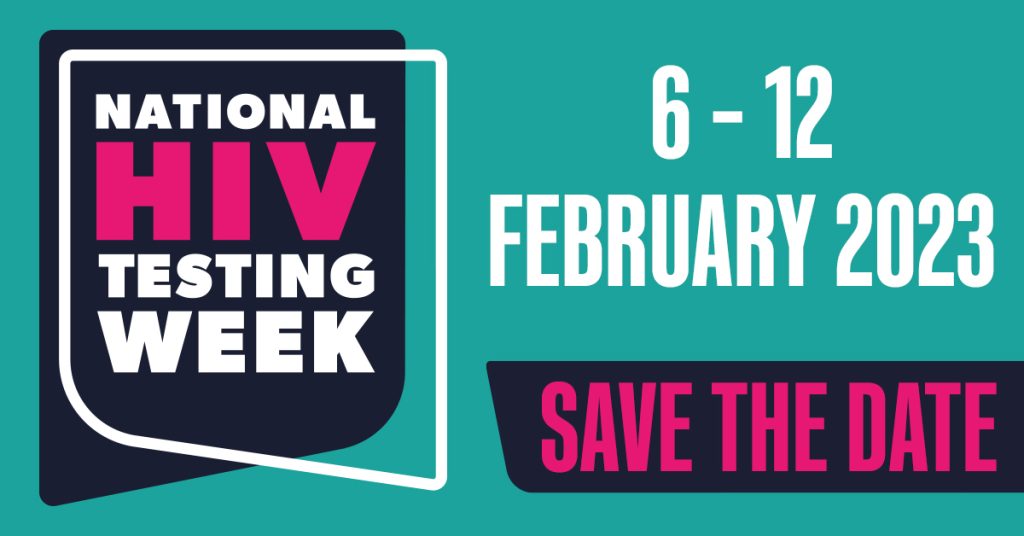
National HIV Testing Week starts Monday 6 February 2023 so please prepare by familiarising yourself with this year’s campaign and the different ways you can get involved.

A new campaign for 2023

National HIV Testing Week is a campaign to promote regular testing among the most-affected population groups in England. Regular testing helps to reduce the number of people living with undiagnosed HIV and those diagnosed late.

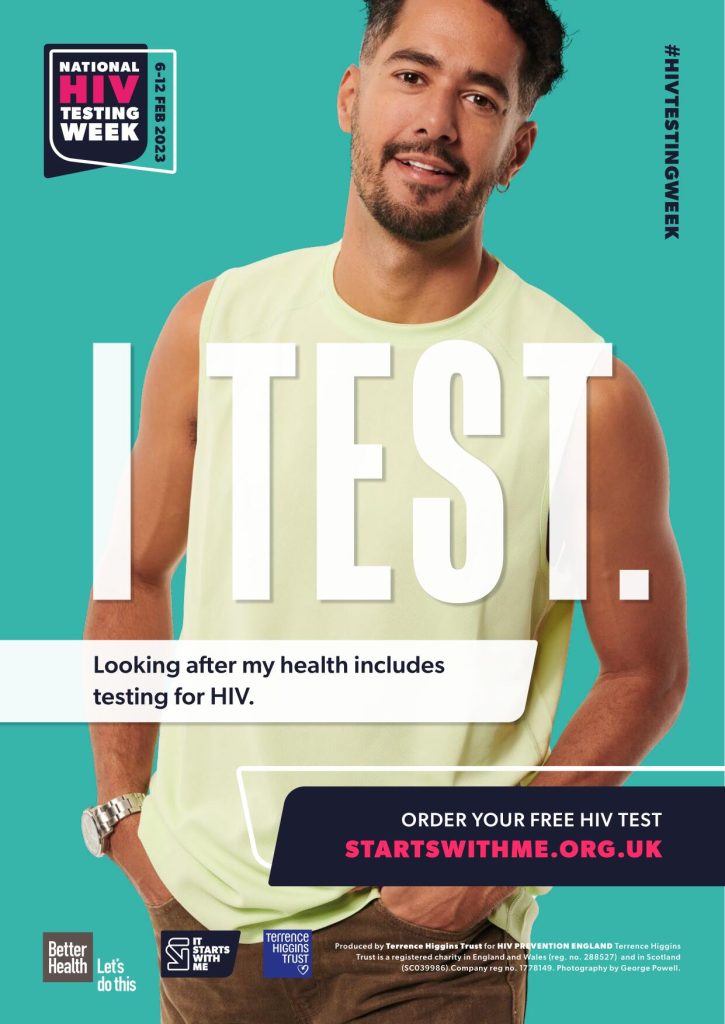
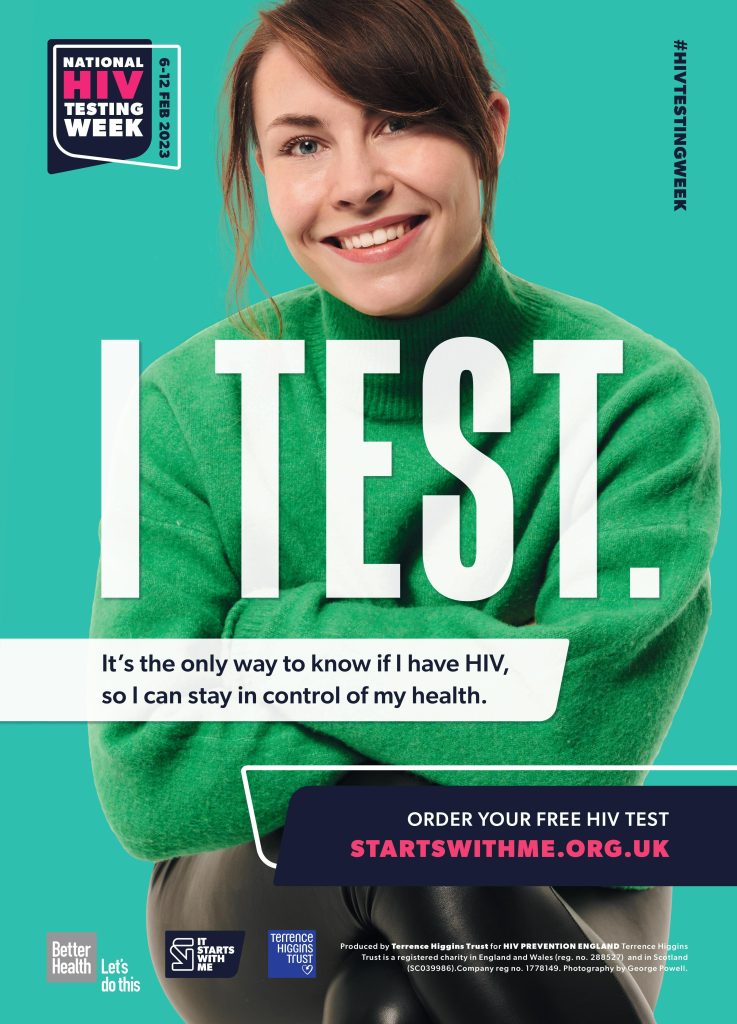
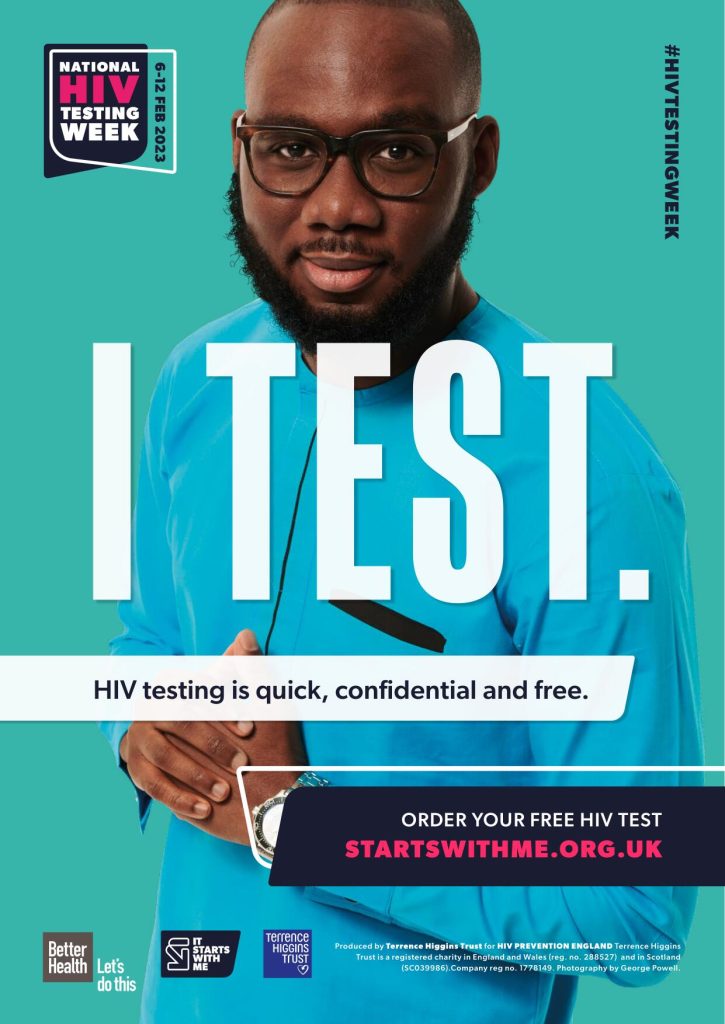
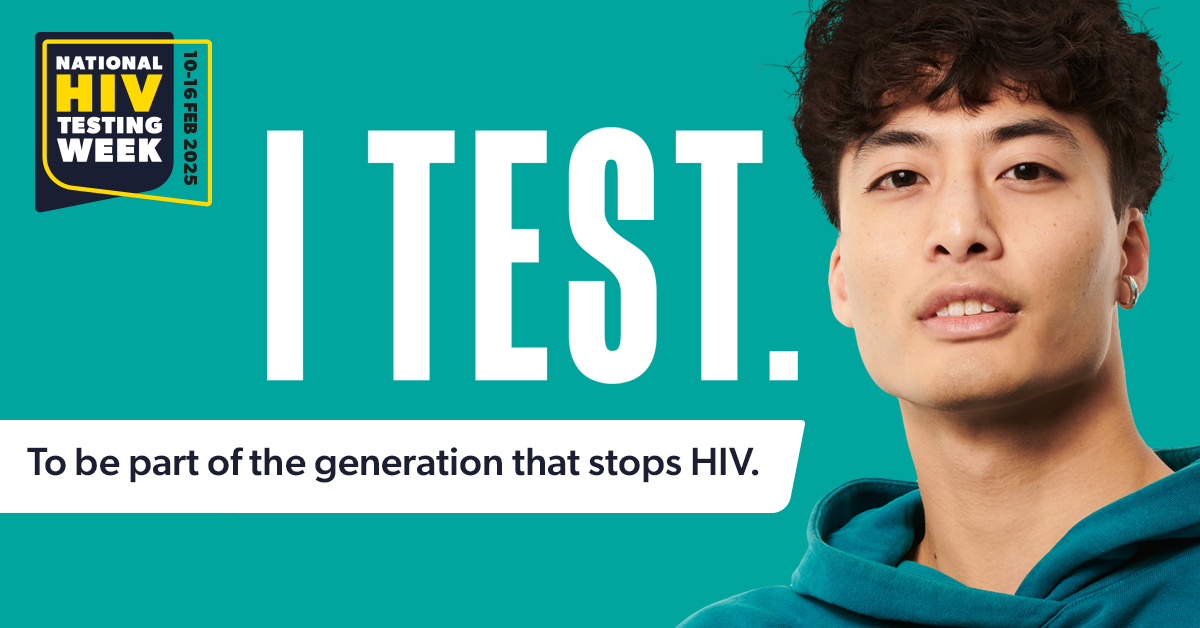
This year, the campaign returns with a new strapline, ‘I Test.’, across all National HIV Testing Week
materials, replacing ‘Give HIV The Finger’, which has been in place for the previous five years. The headline ‘I Test.’ is followed by a line that explores people’s different reasons for testing. This allows for flexibility in responding to different audience needs.

The new strapline and campaign approach was developed and adopted following findings and recommendations from evaluations of ‘Give HIV The Finger’ and audience insights gathered over the summer of 2022. Audiences were involved through focus groups and surveys throughout the development process. It builds on the concept of the National HIV Prevention Programme’s umbrella campaign, ‘It Starts With Me‘ by positioning testing as something normal, desirable, and that we can all take personal responsibility for.

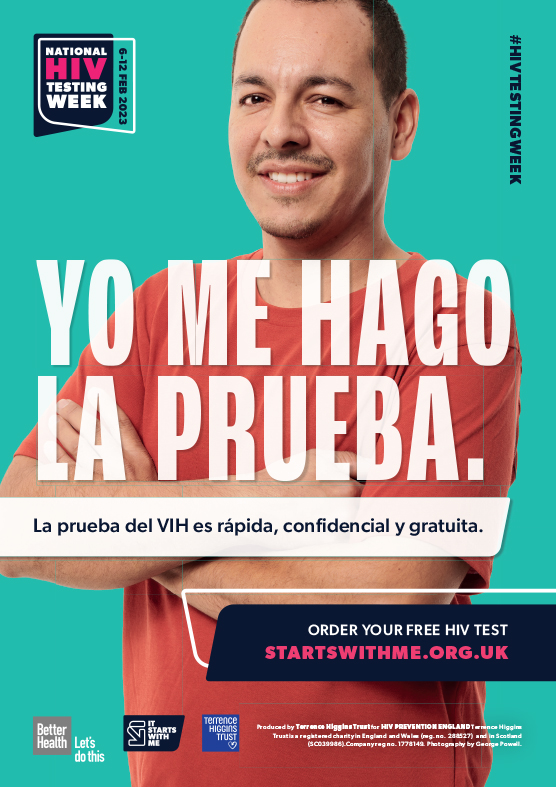
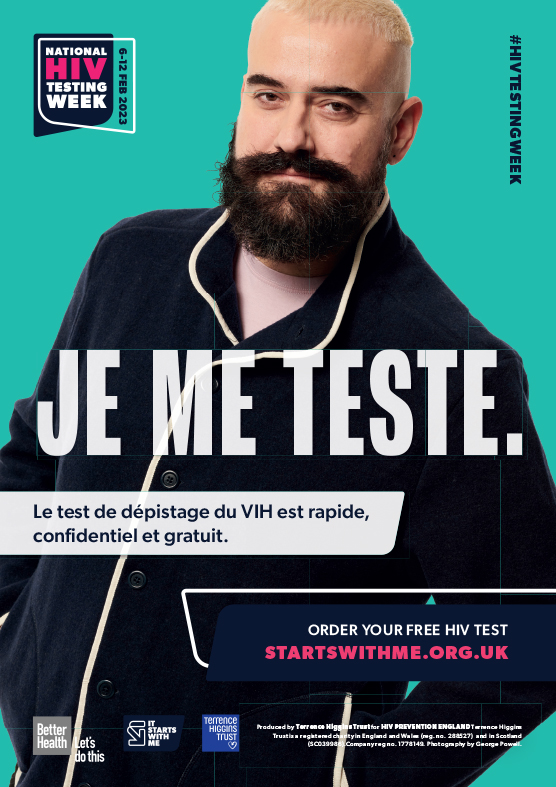
Please see sample images from the campaign below. The campaign features a wide range of models with some resources translated into a number of languages. You can see the whole range of campaign resources via HIV Prevention England’s resources portal.

How to get involved

There are many ways you can get involved and support National HIV Testing Week. We are inviting organisations to participate by running campaign events, providing testing opportunities and promoting HIV testing, and prevention awareness, with our support. For more details, please download the campaign briefing [PDF].

Free Resources

Free resources to promote HIV testing this National HIV Testing Week are now available to order.

Log in to order leaflets, posters, and merchandise to support your National HIV Testing Week activities.

All printed resources are also available to download as PDFs.

Order your resources now.

Social Media Pack

The social media pack is now available to download.

Over 20,0000 Postal HIV test kits ordered around National HIV Testing Week 2016

The promotion of the national HIV home sampling service between 7 November 2016 and 8 January 2017 resulted in over 20,000 kits ordered, a substantially larger number compared to the same period in the previous year.

The national HIV home-sampling service

Since 2015, Public Health England (PHE) and Local Authorities have provided a national HIV home-sampling service for the most at-risk populations for HIV acquisition. For most parts of the year, the free test kits are available only in areas of England where local authorities choose to fund the service. However, during periods of national promotion, PHE fund the service across the whole of England.

The most notable period of national promotion is around National HIV Testing Week (NHTW), which occurs in November each year. HIV Prevention England (HPE) promote the home-sampling kits in the lead-up to, during, and after NHTW, encouraging people to order a kit online, take their own sample and return it by post to a laboratory for testing and results management. The test is highly accurate four weeks after infection, and almost 100 per cent accurate after eight weeks.

These kits differ from HIV self-testing kits, which do not need to be analysed in a lab: individuals get an immediate result that they can read themselves. The self-test is most accurate 12 weeks or more after infection.

Home-sampling kits ordered

The promotion in the period around NHTW 2016 resulted in 20,175 home-sampling kits ordered between November 7 2016 and 8 January 2017. This is 4,405 kits more compared to the same period in 2015-2016.

Table 1: home-sampling tests ordered during the full promotion period

DescriptionNov 2015 to Jan 2016Nov 2016 to January 2017Change
Number of kits ordered15,77020,175up 4,405
Number of kits returned7,98510,421up 2,436
Return rate50.6%51.7%up 1.1%

Table 2: home-sampling tests ordered during NHTW

Description21 Nov to 29 Nov 201519 Nov to 27 Nov 2016Change
Number of kits ordered5,7775,740down 37
Number of kits returned2,8953,081up 186
Return rate50.1%53.7%up 3.6%

Results management

Test results are managed by a community-based organisation partner who provides further support and guidance on next steps. Tests give ‘reactive’ or ‘non-reactive’ results. Reactive results are further classified into ‘high’ and ‘low’ reactives, based on a particular cut-off index. While high reactives are more likely to have an HIV infection confirmed, all reactive results are immediately referred to appropriate services for further testing and clinical confirmation.

The previous year, 1.1 per cent of analysed tests were reactive and of these, 0.7 per cent were high reactives. This information can be looked at alongside HIV positive test results in other testing settings, including specialist sexual health clinics and general practice settings:

Table 3: results comparison by setting (PHE, 2016)

Specialist sexual health clinics
Positivity rate for service users (2015 data)
0.3% (2,850/998,503)
Specialist sexual health clinics
Positivity rate for service users (2015 data)
0.3% (2,850/998,503)
National home-sampling service
High reactive rate for service users (Nov 2015 – Sept 2016 data)*
0.7% (128/18,270)

* high reactive test results likely to be confirmed as positive

Currently, 85 local authorities have committed to implementing the national scheme. Considering the increasing demand for the service, the relatively high reactivity rate and the reasonable cost of the service, there is scope for broader action on making postal tests available and promoting them to communities and individuals who may be at a higher risk for HIV acquisition.

More information

NICE/PHE guideline on increasing HIV testing uptake

The full report for 2015-2016 on the national home-sampling scheme will be available from Public Health England in March 2017.